
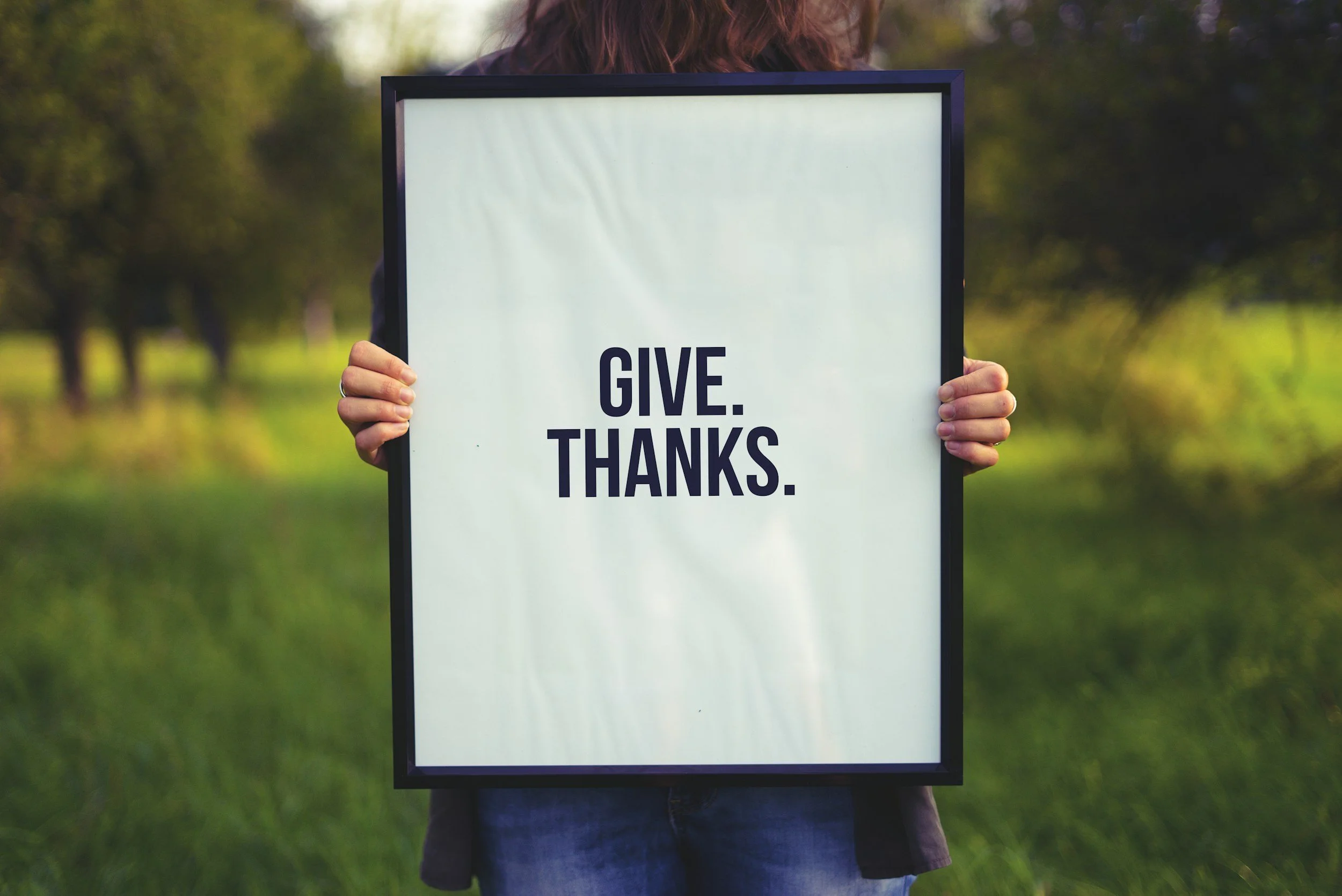
Gratitude?
Thankfulness for the season. Gratitude for all that is good.
Are these statements hard to read?
Triggering?
Do you feel bad if you don’t feel grateful?
The holidays sometimes force saccharine sentiments on us…
Snowy scenes of homecomings in almost every advertisement.
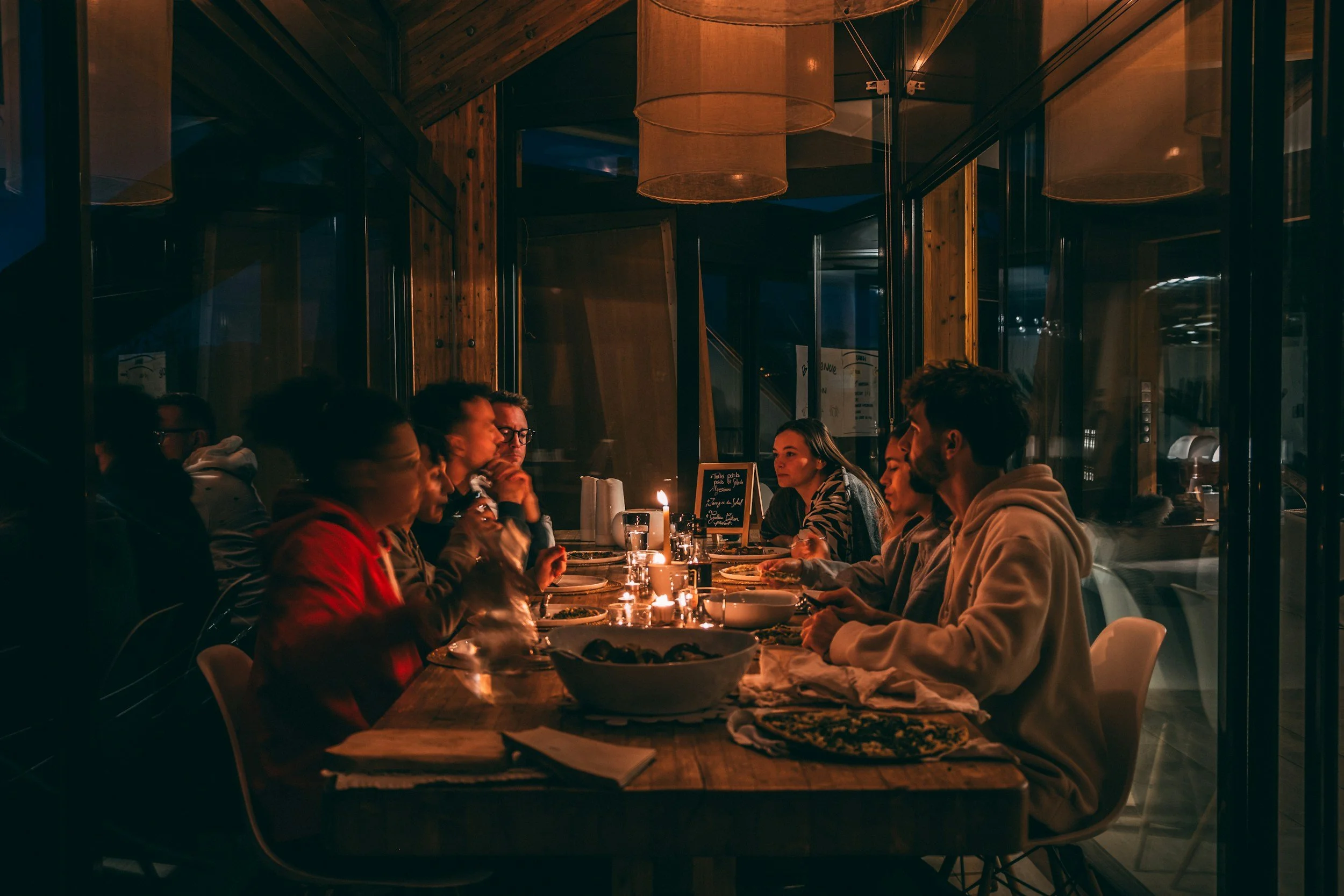
Families peacefully gathered at a dining table, playfully fighting over the last crescent roll.
Wide-eyed adorable children opening presents, parents smiling warmly.
These images can all be hard to take if you’ve ever experienced a holiday with conflict, disappointment or grief. Many experience pressure to make everything perfect or to manage difficult relational dynamics during the holidays. Summoning gratitude can feel very high stakes!
My mom passed away right before Thanksgiving two years ago. That event, on the heels of other difficult transitions and life stressors, left me facing my own gratitude challenges.
Joy was hard to come by.
The waves of grief were battering me.
I felt heavy everywhere - body, mind, soul.
But I had developed some skills that I could turn to, then and now. Gratitude was one of them.
How to Practice Gratitude
Remembering to shift into gratitude, appreciation, and thankfulness is grounding. It pulls me to safety internally and helps me feel more relaxed and present physically. Looking for the good brings relief even if it takes effort and intentionality. It is a practice, a discipline that can become a habit, forming us into grateful people.
Practicing gratitude requires us to push against our brain’s negativity bias that automatically looks for bad or dangerous things in life in order to keep us safe. But we do have agency. As we tune into what we are thinking about, we learn to direct our thoughts and feelings. Sometimes we need non-judgemental support from a friend, mentor or counselor. And again, it takes practice!
To help my own gratitude practice, I use a question to redirect myself when life becomes heavy or negative:
“What if God has good things for me? Where is the evidence?”
Then I look up at the sky for a peak at the moon or the wisp of a cloud. I reflect on how comfortable my bed is. I listen for hopeful song lyrics. I pause to notice the cooler fall mornings, my cat’s playfulness, the friendliness of a stranger.
When we practice redirecting ourselves, naming what is negative, painful, or unjust makes space to receive and celebrate what is good, joyful, and right.
Life holds both good and bad and acknowledging that allows space for gratitude.
The holidays can be equal parts lament and celebration, full of difficult memories and empty chairs and joyful moments with friends and family. Acknowledging this season’s capacity for both good and bad keeps us from “silver-lining” everything or minimizing the pain we may face. It also helps us not to shame ourselves or someone else into feeling grateful no matter what may be happening.
Gratitude Beyond the Holidays
How could cultivating moments of redirection during the holidays impact our long-term health and wellness? If we train our brains and bodies to attune to what is good in an authentic way in November and December, imagine what January, February, and beyond could hold for us. Slowing down now could pay off significantly later.
I am grateful that the sun came up today. And I am grateful for the butterfly that crossed my path and reminded me of Mom. What are you grateful for?
If you’d like some help developing the habit of gratitude, you can schedule an appointment here.
*For further reading, see Pete Scazzero’s book Emotionally Healthy Spirituality.